
The History of Cannabis in Jamaica: From Sacred Ganja to Modern THCA Wellness
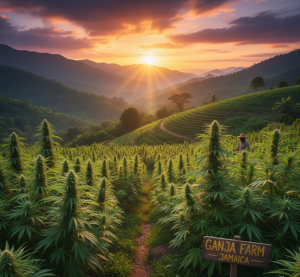
Cannabis in Jamaica is more than a plant. It is culture, resistance, spirituality, and healing woven into generations of island life. Today, Jamaica is emerging as a recognized voice in the global cannabis movement, especially with the rise of THCA and wellness-focused use. But the story began long before modern cultivation and dispensaries—rooted in migration, struggle, faith, and tradition.
This article explores how ganja traveled across oceans, became a pillar of Rastafari tradition, and now supports Jamaica’s evolving cannabis wellness landscape.
How Ganja Arrived in Jamaica
Cannabis is not indigenous to Jamaica. It arrived in the 19th century with indentured laborers from India after the abolition of slavery. These workers brought ganja (from the Hindi word “gāñjā”), along with knowledge of cultivation and use for meditation and herbal remedies.
Over time, ganja blended into Jamaican rural and working-class life, valued for:
- Stress relief after long days of labor
- Community and reasoning sessions
- Natural wellness and home remedies
By the early 20th century, ganja was entrenched in Jamaican identity and often used in cultural storytelling, proverbs, and folk medicine.
Rastafari and the Sacred Use of Ganja
Beginning in the 1930s, the Rastafari movement transformed ganja from a medicinal plant into a spiritual sacrament. For Rastafari, ganja is a tool for reasoning, clarity, and communion with the divine.
Its role includes:
- Ceremonial smoking during reasoning sessions
- Deep meditation and prayer
- Rejection of oppressive colonial laws
- Reverence for natural, vital living
Rastafari teachings helped protect ganja traditions and shaped Jamaica’s global association with cannabis as a symbol of peace, unity, and resistance.
Criminalization and Cultural Resistance
Despite its deep cultural roots, ganja was criminalized under colonial rule beginning in 1913. Arrests and persecution disproportionately impacted poor and Rastafarian communities for decades.
Yet, resistance continued through:
- Reggae music and global icons like Peter Tosh and Bob Marley
- Continued ital cultivation in the countryside
- Cultural solidarity and spiritual defense of the plant
As reggae spread, so did Jamaica’s cannabis identity—turning a criminalized herb into a worldwide symbol of freedom.
Decriminalization and the Path to Modern Cannabis
A major turning point came in 2015, when Jamaica decriminalized small amounts of cannabis and recognized its spiritual importance to Rastafari. This law also opened pathways for regulated medical, therapeutic, and wellness-focused cannabis use.
Today, Jamaica is developing:
- Licensed dispensaries and herbal wellness centers
- Research and export opportunities
- Tourism experiences centered on cannabis culture
This evolution has created space for innovations, including THCA products, appreciated for their potential therapeutic benefits without requiring traditional combustion or intense psychoactive effects.
THCA and Jamaica’s New Cannabis Wellness Landscape
THCA (tetrahydrocannabinolic acid) is the natural precursor to THC found in raw cannabis. It may offer wellness properties such as soothing inflammation and promoting calm without producing strong intoxicating effects unless heated.
Jamaicans are now integrating THCA into:
- Herbal wellness practices
- Tinctures and teas
- Natural plant-based healing traditions
- Conversations about balanced cannabis use
While modern cannabis science continues to advance, its role reflects the same cultural values that ganja has held for generations: healing, connection, and respect for the plant.
Cultural Respect and Responsible Cannabis Appreciation
As cannabis evolves in Jamaica and globally, it’s important to honor its heritage:
- Acknowledge the struggles of Rastafari and communities who defended ganja culture
- Respect its spiritual and ceremonial uses
- Support responsible and legally compliant cannabis access
- Preserve the cultural meaning behind the plant, not just the market for it
Cannabis in Jamaica is not simply a trend. It is a legacy.
FAQ
Q: Is cannabis fully legal in Jamaica?
A: No. It is decriminalized for small personal amounts, and regulated purchases are allowed for medical, therapeutic, or religious use.
Q: Did Rastafari introduce cannabis to Jamaica?
A: No, ganja arrived from India, but Rastafari transformed its cultural and spiritual meaning.
Q: How is THCA part of Jamaica’s cannabis future?
A: THCA is gaining interest in wellness communities for its potential soothing benefits and versatility in non-smoked forms.
Final Word
From sacred use in Rastafari livity to modern research and THCA wellness, cannabis remains a symbol of resilience and identity in Jamaica. The island’s cannabis story continues—rooted in tradition, guided by culture, and growing toward a future where wellness and heritage work together.