
THCA vs Jamaican Weather: How Heat Affects Potency for Travelers
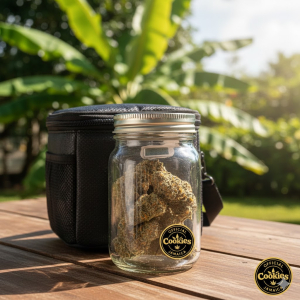
Jamaica’s tropical climate is one of the island’s greatest attractions—warm beaches, bright sunshine, and humid ocean air. But for travelers carrying THCA flower, pre-rolls, or vapes, these same weather conditions can affect how fresh and potent cannabis remains during a trip. THCA is sensitive to heat, UV light, humidity, and oxygen, meaning even short periods of improper storage can noticeably change its strength and flavor.
Before exploring the island, it’s important to understand how Jamaica’s weather interacts with THCA and what travelers can do to protect their cannabis products.
How Jamaican Heat Impacts THCA Potency
Jamaica’s daytime temperatures often exceed 30°C (86°F), and in direct sunlight, bags, cars, and backpacks can get much hotter. Because THCA is temperature-sensitive, extended heat exposure leads to several changes.
Heat Speeds Up Cannabinoid Degradation
High temperatures accelerate the breakdown of cannabinoids. THCA exposed to prolonged heat may lose potency or convert into other compounds over time. This results in weaker effects and reduced therapeutic benefits.
Terpenes Evaporate Quickly in the Tropics
Terpenes—the aromatic compounds responsible for flavor and entourage effects—evaporate at relatively low temperatures. Jamaican heat can cause flower to lose aroma, taste, and complexity faster than in cooler climates.
The Role of Humidity in Potency Loss
Humidity in Jamaica often stays above 70 percent, especially near beaches and rainforests. While moisture is essential during growing, too much humidity after harvest can harm stored cannabis.
High Humidity Can Lead to Mold Growth
Flower kept in warm, moist air becomes vulnerable to mold. Once mold develops, the product becomes unsafe for use.
Humidity Fluctuations Dry Out or Over-Moisten Flower
Unstable humidity can cause flower to first dry out, becoming harsh, then reabsorb moisture, losing integrity and smoothness.
How Travelers Can Protect THCA Quality in Jamaica
Proper storage can significantly slow down temperature- and humidity-driven degradation, even in hot weather.
Use Airtight, UV-Protective Containers
Keep THCA in sealed jars or bags that limit oxygen exposure. Containers with dark glass or UV protection safeguard potency.
Avoid Leaving Cannabis in Cars or Direct Sun
Cars can reach extreme temperatures within minutes. Store cannabis in shaded, cool spaces whenever possible.
Keep Flower and Vapes Indoors When Not in Use
Hotel rooms with air conditioning provide stable conditions that help maintain freshness.
Do Not Pre-Grind Cannabis
Grinding increases exposure to heat and air. Grind immediately before use to preserve terpenes.
Consider Vapes for Weather Stability
THCA vapes are less vulnerable to humidity than flower because they are sealed and not exposed to open air.
Why Jamaican Cannabis Still Thrives Despite the Climate
Jamaica’s sunshine and warm weather create ideal conditions for growing potent cannabis. Outdoor plants naturally develop richer trichomes and higher THCA potential. But once harvested, packaged, and sold, the same climate that supports cultivation can degrade stored cannabis if mishandled. That is why many dispensaries, including Cookies Jamaica, use airtight packaging and controlled storage to maintain quality.
Travelers, however, must continue that same level of care after purchase to preserve the product’s original potency.
FAQs
Q1: Does Jamaica’s heat permanently reduce THCA potency?
Yes, high heat accelerates degradation. While occasional exposure may not ruin cannabis, repeated or prolonged heat will lower potency.
Q2: Is humidity more damaging than heat for THCA flower?
Both matter. Heat affects potency, while humidity increases mold risk. Together, they can quickly degrade cannabis.
Q3: Can THCA convert into THC from heat during storage?
Some conversion can occur during sustained heat exposure, though this usually requires higher temperatures over longer periods.
Q4: Are vapes better for Jamaica’s climate?
Yes. Vape carts are sealed and less vulnerable to humidity and air, making them more stable for travelers.
Q5: What’s the safest daily storage method?
Use an airtight, opaque container stored in a cool, shaded indoor area, ideally with air conditioning.