
Jamaica’s 2015 Cannabis Reform: What Changed—and What It Did Not
The reform changed penalties, recognised religious use and created a regulated framework. Understanding those separate changes is more useful than calling the whole story “legalisation.”

First published 13 October 2025; substantially revised 25 October 2026.
Jamaica’s cannabis reform is often compressed into one word: legalisation. The word is convenient. It is also too broad to explain the law that took effect in 2015—or the questions that remain eleven years later.
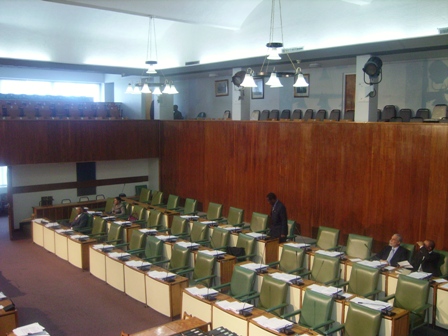
The Dangerous Drugs (Amendment) Act came into operation on April 15, 2015, following passage through both Houses of Parliament that February. In its announcement, the Ministry of Justice described a reform concerned with criminal justice, religious rights and a regulated medicinal and industrial sector. These were connected ambitions, but they were not the same legal change. Ministry of Justice’s 2015 announcement
A useful account starts by separating them.
Changing a penalty is not removing every restriction
One of the most important changes concerned the consequences of possession of small quantities. The 2015 amendment made the specified small-quantity contravention non-arrestable and subject to a fixed-penalty framework. That did not eliminate every possible court consequence: the Act separately addressed failure, without reasonable cause or excuse, to pay a fixed penalty. Public smoking also had its own provisions. These distinctions matter more than the shorthand that possession simply became legal. The 2015 Act, sections 7E–7G
That distinction is the heart of decriminalisation: reducing or removing specified criminal penalties does not automatically make every associated activity lawful. A change to possession rules cannot simply be read as permission for unrestricted sale, supply or cross-border movement.
The amendment itself created specified exceptions and authorisations rather than a single, unrestricted permission. Its provisions must be read alongside the principal Act and relevant regulations. This article explains the reform’s architecture; it is not a current checklist for acquiring, using or transporting cannabis. Dangerous Drugs (Amendment) Act, 2015
Religious recognition deserves its own explanation
The legislation expressly addressed possession of ganja as a sacrament in adherence to the Rastafarian faith. It also provided mechanisms relating to religious observance. This was not simply a lifestyle exemption for anyone who associated cannabis with Jamaica. It was recognition directed at a particular faith and its practices. The 2015 Act, amendments to sections 7C and 7D
The Ministry of Justice named recognition of Rastafari constitutional rights among the reform’s objectives. Reporting that objective accurately matters. It does not authorise a publication to speak for every Rastafari community or to present one uniform account of belief. Ministry of Justice
A legal provision tells us what the state recognised on paper. Understanding how people experienced that recognition requires their testimony and evidence of implementation. The legislation alone cannot tell us how that recognition was experienced.
Regulation was a separate project
The Act also established a framework for authorised medical, therapeutic and scientific activity and created the Cannabis Licensing Authority. That institutional framework is distinct from the small-quantity possession changes. One concerned specified penalties; the other concerned oversight and authorisation. The 2015 Act
The difference remains relevant when evaluating later announcements. In April 2026, the Ministry of Industry, Investment and Commerce reported the launch of medical-cannabis special-permit programmes intended to improve inclusion for traditional and small-scale growers. The ministry described community and transitional arrangements under an amended regulatory framework. Ministry’s April 17, 2026 report
That is evidence that a programme was announced and launched. It is not, by itself, evidence of how many intended participants have entered it, how long the process takes or whether their livelihoods have improved. Those are different questions, requiring administrative data and accounts from people affected.
The regional debate was never only about a market
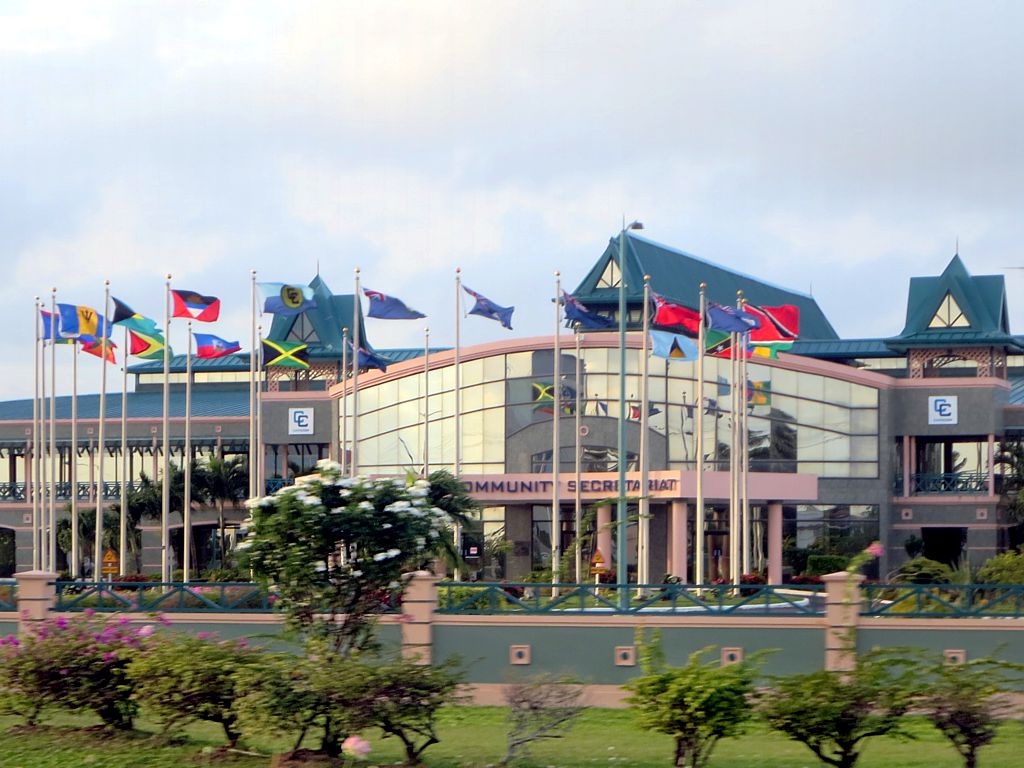

CARICOM’s account of its Regional Commission on Marijuana describes a process initiated in 2014 and informed by national consultations. The issues it records extend beyond commercial opportunity to criminal justice, human rights, health and the effects of existing laws on communities. Its 2018 account offers regional context, not a substitute for Jamaican legislation. CARICOM’s commission overview
That wider frame is useful today. A serious assessment of reform should ask more than whether a regulated industry exists. Which burdens were reduced? Whose rights became more secure? Who can participate in decisions? What protections remain necessary?
Those questions are not answered by a photograph of a launch or by the number of businesses in a directory. They need evidence suited to the claim: justice-system figures for criminal-justice outcomes, programme records for participation and independently obtained testimony for lived experience.
Read the reform without turning it into a slogan
The 2015 amendment matters because it changed several things at once. It modified specified penalties, addressed religious practice and created a framework for regulation. Treating all three as unrestricted legalisation obscures what the law actually did.
It can also hide what still needs to be measured. A reform may have important aims without every intended benefit being demonstrated. A new programme may widen the possibility of participation without establishing equal access in practice.
The better starting point is neither celebration without scrutiny nor the assumption that nothing changed. It is a precise account of the law, followed by an equally precise account of the evidence still needed.
Historical and public-policy explanation, not legal or medical advice. Requirements can change; questions about an individual situation should go to an appropriately qualified Jamaican professional.