
How Caribbean Climate Shapes Streetwear Design
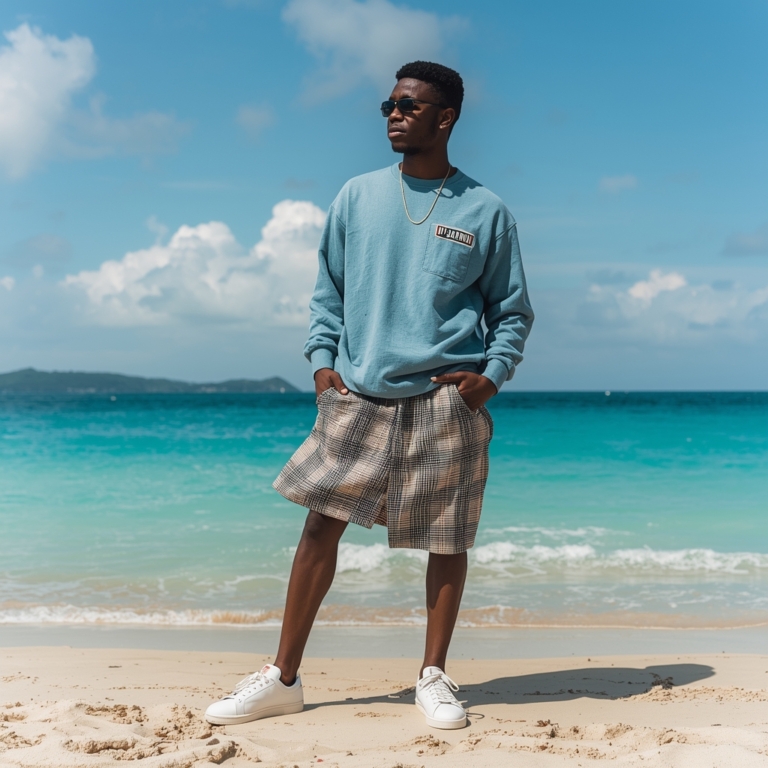
Climate Defines Everyday Fashion
In Jamaica and across the Caribbean, fashion responds directly to the environment. Warm temperatures, humidity, and strong sunshine shape how clothing is designed and worn.
Streetwear in this region prioritizes airflow, comfort, and flexibility. Heavy fabrics and tight layering do not align with tropical living. Instead, design begins with function.
For visitors, this approach often feels effortless. For locals, it is simply practical.
Breathable Fabrics Are Essential
Lightweight cotton, mesh blends, and moisture-friendly materials dominate Caribbean streetwear design. These fabrics allow movement while maintaining structure.
In cities like Kingston and tourism hubs such as Montego Bay, breathable fashion is not optional — it is necessary.
Tourists quickly notice that comfort is built into the design process itself.
Relaxed Silhouettes Reflect Island Living
Caribbean streetwear favors loose fits and relaxed shapes. Oversized tees, breathable shorts, and versatile sets allow clothing to adapt to beach mornings, city afternoons, and evening gatherings.
This flexibility appeals strongly to international visitors who prefer packing fewer but more adaptable outfits during travel.
Relaxed silhouettes also express confidence. When clothing feels natural, style appears effortless.
Environment Influences Color and Texture
Caribbean climate does more than influence fabric choice. It shapes visual identity.
Natural elements such as ocean blues, sandy neutrals, and vibrant tropical tones appear frequently in streetwear collections. Textures remain lightweight and breathable.
Cultural influence adds another layer. Music, art, and community storytelling shape graphics and design direction, creating streetwear that feels rooted rather than manufactured.
Practicality Creates Timeless Style
Because climate shapes necessity, minimalism becomes part of the aesthetic. Fewer layers and cleaner silhouettes keep clothing wearable year-round.
This practicality makes Caribbean streetwear attractive to foreigners seeking authenticity rather than trend-heavy fashion. When design grows from environment, it remains relevant longer.
Comfort becomes timeless.
Why Tourists Connect With Climate-Shaped Streetwear
Visitors often travel to the Caribbean for freedom, balance, and relaxation. Clothing that reflects this lifestyle strengthens that experience.
Wearing climate-inspired streetwear allows tourists to participate in island culture rather than simply observe it. It feels connected to real life instead of staged marketing.
Authenticity becomes part of the attraction.
Experience Authentic Island Streetwear
Understanding how Caribbean climate shapes streetwear design adds depth to fashion choices. It explains why comfort, breathability, and versatility define the island aesthetic.
To explore streetwear rooted in authentic island living, visit Cookies Jamaica in Jamaica during your next trip and experience climate-inspired fashion firsthand.
FAQ
Q1: How does Caribbean climate affect streetwear design?
Warm temperatures and humidity require breathable fabrics and relaxed silhouettes.
Q2: Why are loose fits common in Jamaican fashion?
Loose fits improve airflow and allow comfort in tropical weather.
Q3: Do tourists prefer climate-inspired clothing?
Yes. Visitors appreciate fashion that suits the environment while reflecting authentic culture.
Q4: What materials are common in Caribbean streetwear?
Lightweight cotton, breathable blends, and moisture-friendly fabrics are widely used.
Q5: Is climate-shaped fashion sustainable long-term?
Yes. Function-focused design remains practical and wearable beyond short-term trends.