
Why Authentic Brands Always Win in the Long Run
What Authenticity Really Means in Branding
Authenticity isn’t about marketing language or polished visuals. It’s about alignment between what a brand says, what it sells, and how it behaves. Consumers today look beyond slogans—they pay attention to consistency, values, and intention.
Authentic brands don’t try to be everything to everyone. Instead, they commit to who they are and let the right audience find them naturally.
Trust Is Built Over Time, Not Campaigns
Trust doesn’t come from a single viral moment.
Consistency Creates Credibility
When brands show up the same way across products, messaging, and community interactions, trust grows organically. Customers feel secure knowing what to expect.
Honesty Builds Emotional Connection
Authentic brands don’t overpromise. They communicate openly, admit imperfections, and focus on transparency instead of hype.
Why Trends Fade but Authenticity Endures
Trends are fast, exciting, and short-lived. Authenticity is steady.
Trends Chase Attention
Brands built on trends often struggle to adapt when attention shifts. Their identity changes too frequently to build loyalty.
Authentic Brands Build Identity
An authentic brand has a clear purpose. That purpose guides decisions even as styles, platforms, and consumer habits evolve.
Community Over Customers
Authentic brands create relationships, not just transactions.
Shared Values Matter
People support brands that reflect their lifestyle, culture, and beliefs. This shared identity turns customers into advocates.
Engagement Feels Natural
When authenticity leads, engagement doesn’t feel forced. Communities grow through participation, not persuasion.
Cultural Roots Strengthen Brand Longevity
Culture gives brands depth and meaning.
Representation Matters
Brands that respect and represent real communities earn long-term relevance. Cultural authenticity cannot be replicated overnight.
Local Influence, Global Impact
A brand grounded in local culture often resonates globally because originality stands out in a crowded market.
The Role of Lifestyle in Authentic Branding
Lifestyle brands thrive when they reflect real life.
Function Meets Identity
Authentic lifestyle brands design products that fit naturally into daily routines, climates, and environments.
Simplicity Over Excess
Rather than chasing excess, authentic brands focus on quality, intention, and usability.
Why Consumers Are Choosing Real Over Perfect
Modern consumers are more informed and selective.
They value meaning over mass appeal
They support brands with purpose
They reward consistency and honesty
They stay loyal to brands that feel human
Authenticity turns buyers into long-term supporters.
Long-Term Success Is Built, not manufactured.
Authentic brands grow steadily. They may move more slowly, but they last longer. Their success is rooted in trust, not algorithms or temporary hype.
Brands that prioritize an authentic experience:
Stronger brand loyalty
Lower audience churn
Higher lifetime customer value
Organic word-of-mouth growth
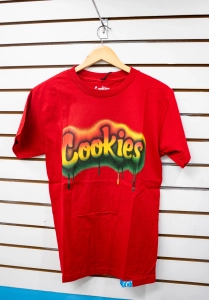
To see how culture, lifestyle, and authenticity connect, explore the brand philosophy at Cookies Jamaica.
FAQ
Q1: What makes a brand truly authentic?
Consistency between values, actions, and messaging over time.
Q2: Can authenticity be created later in a brand’s life?
Yes, but it requires honest reflection, transparency, and long-term commitment.
Q3: Why do consumers prefer authentic brands?
Because they feel trustworthy, relatable, and aligned with personal values.
Q4: Are authentic brands more successful long-term?
Yes. They build loyalty that outlasts trends and market shifts.
Q5: How does culture influence brand authenticity?
Culture provides identity, meaning, and real-world relevance that strengthens brand connection.